
A satisfactory effort!
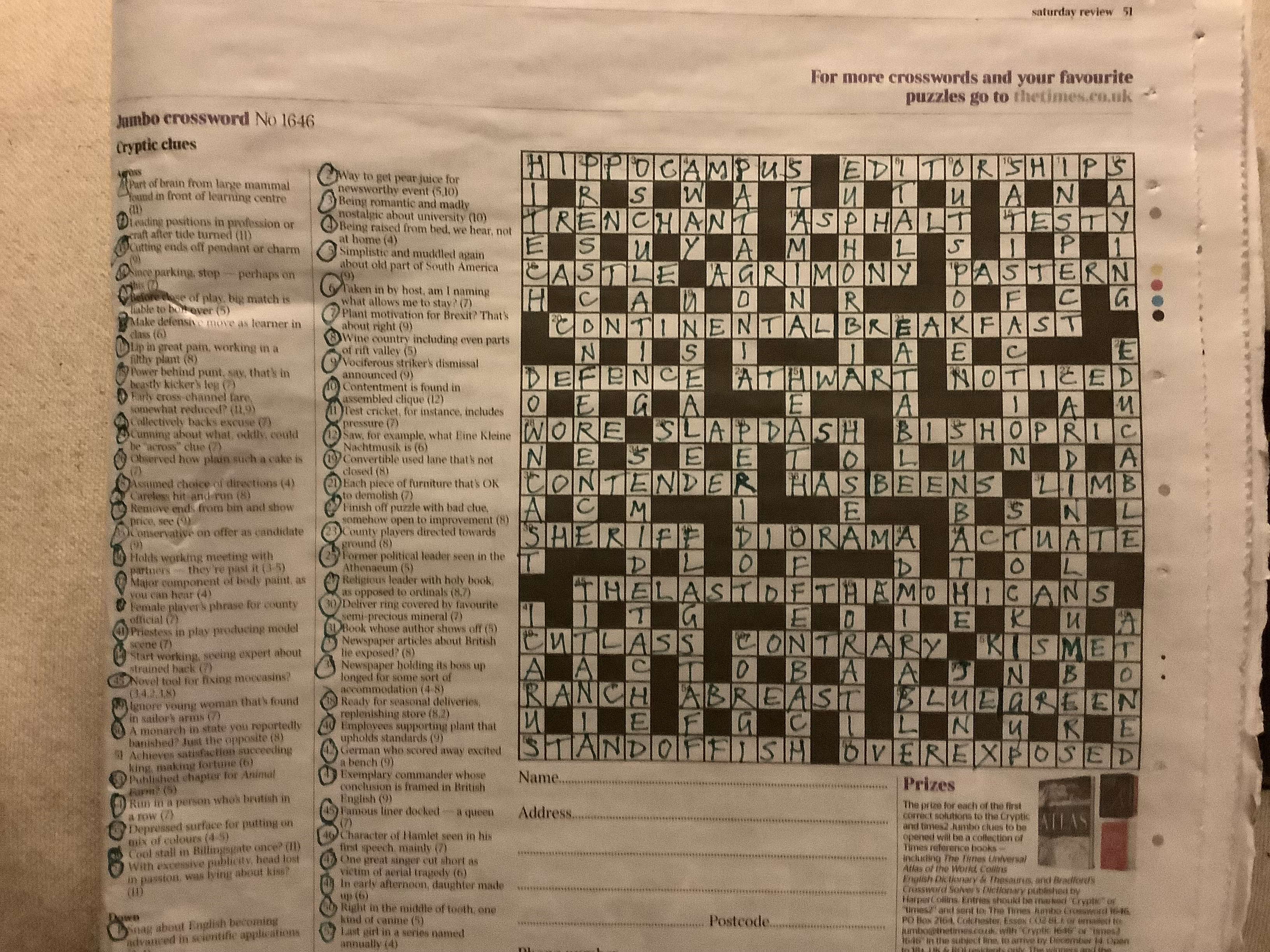
A slow start, then a breakthrough and the rest followed swiftly
Pre-prandial hypnotism

My friend and I

Medea, in “Die Argonauten”, second work in Grillparzer’s trilogy, “Das goldene Vlieẞ”

In celebration of the stinkiest cheeses to come from France – The Local
Gerard Depardieu is bashing France for its “stinky cheese”, but we couldn’t give a whiff. Here are six of the smelliest you need to bury your nose in, at least once in life. What others would you add?
— Read on www.thelocal.fr/20160922/a-celebration-of-the-stinkiest-cheeses-to-come-out-of-france
Having acquired a Munster d’Alsace from the Christmas Market in Winchester, for which I gladly parted with £9.00 purely for the joy of rediscovering a slice of quintessential Alsace, I’ve just set it alongside a ripe Camembert. Splendid, if a mite whiffy ! LJ
High seas

Juncture …
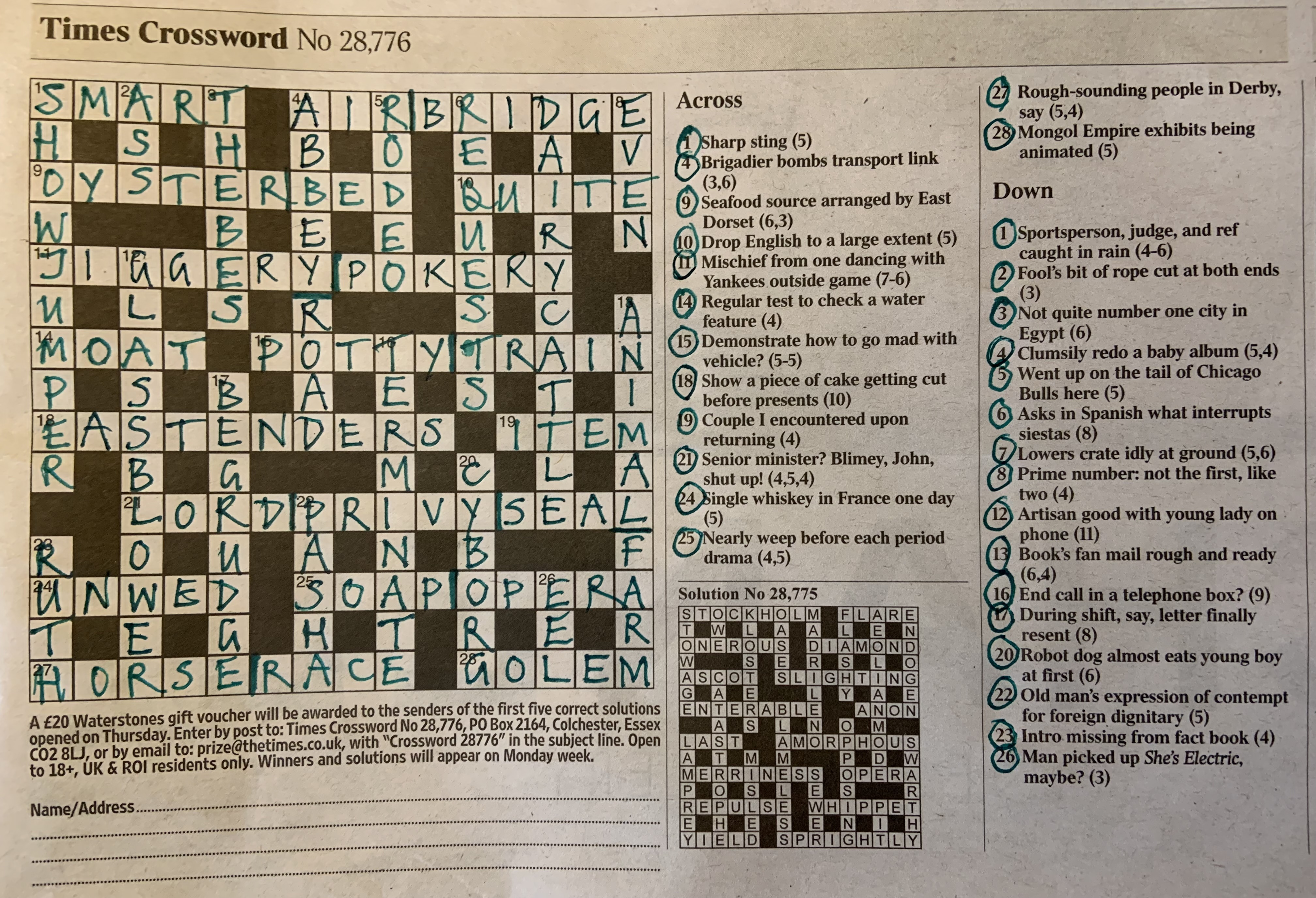
Mathematical beauty and truth
A rainy afternoon in November
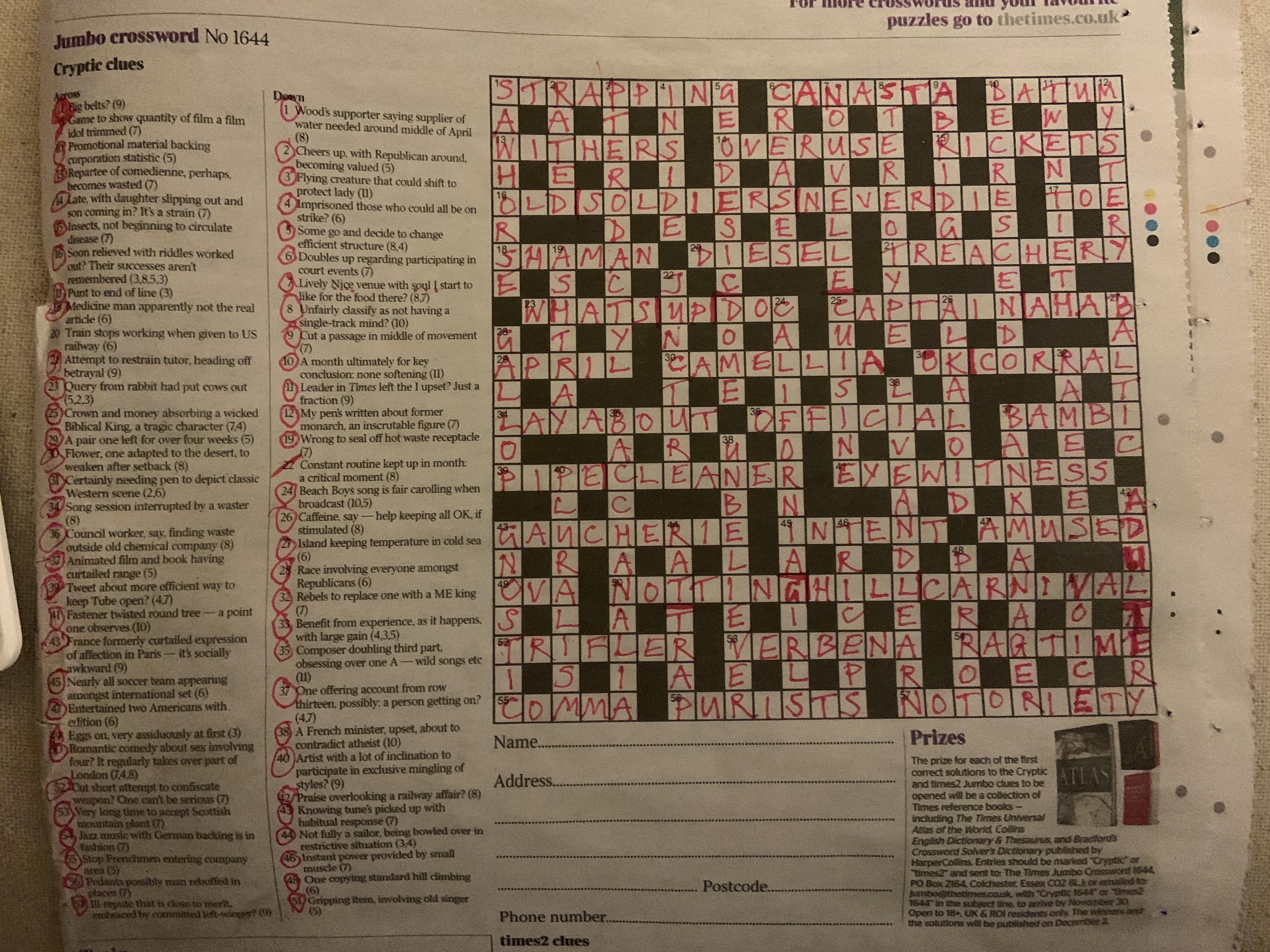
At the GS
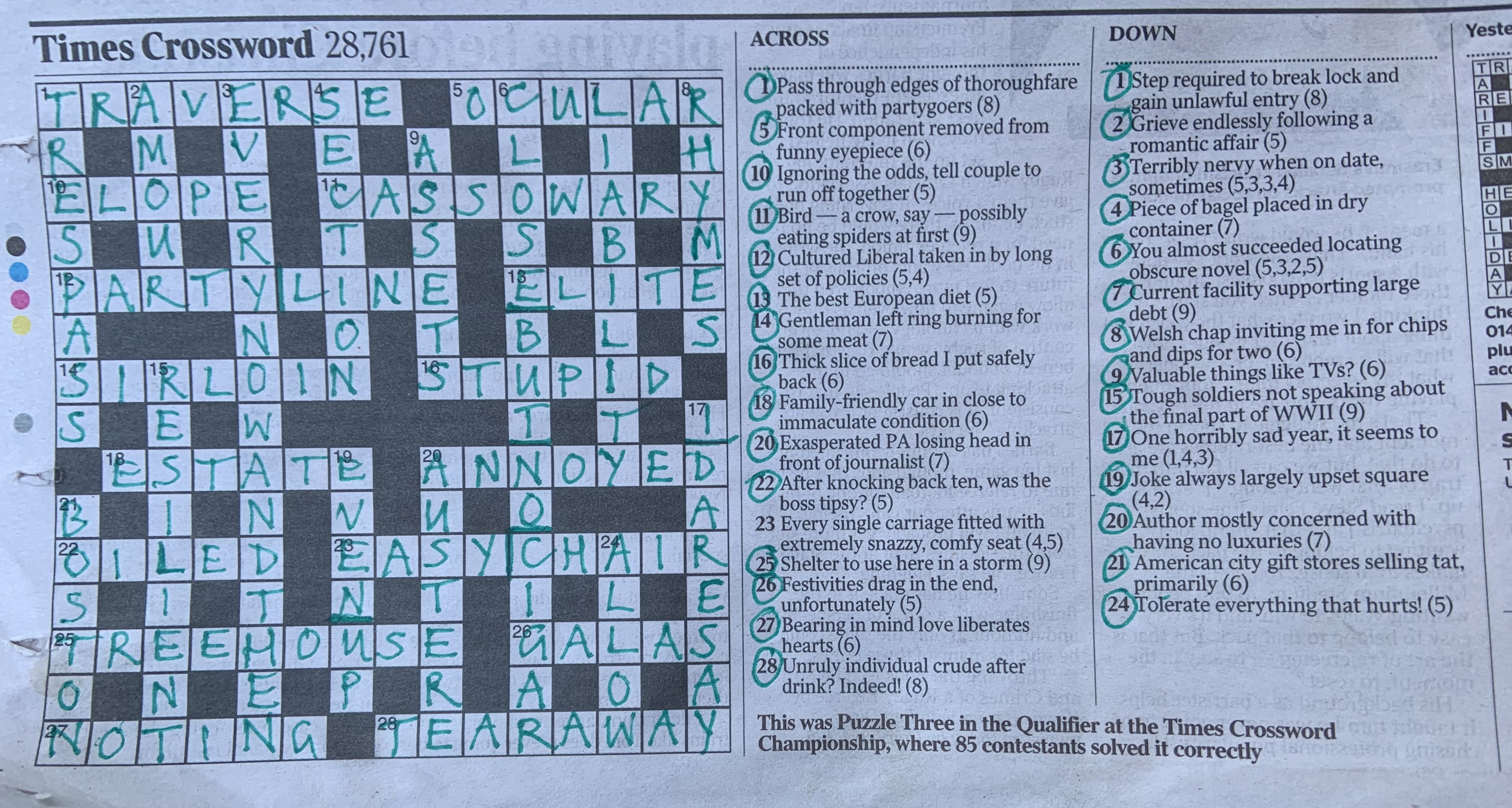
GS & Home. Smoothly concluded.
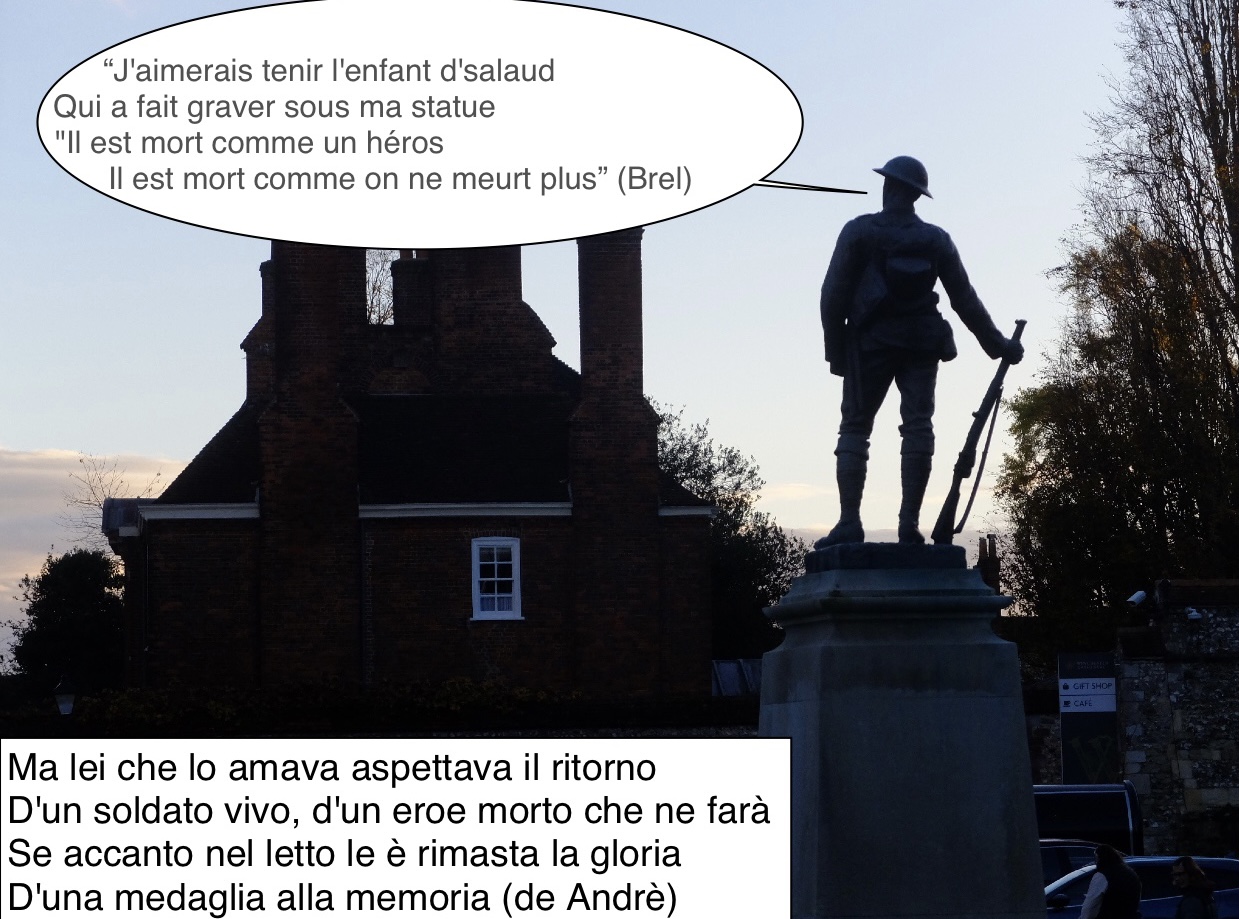
La statue
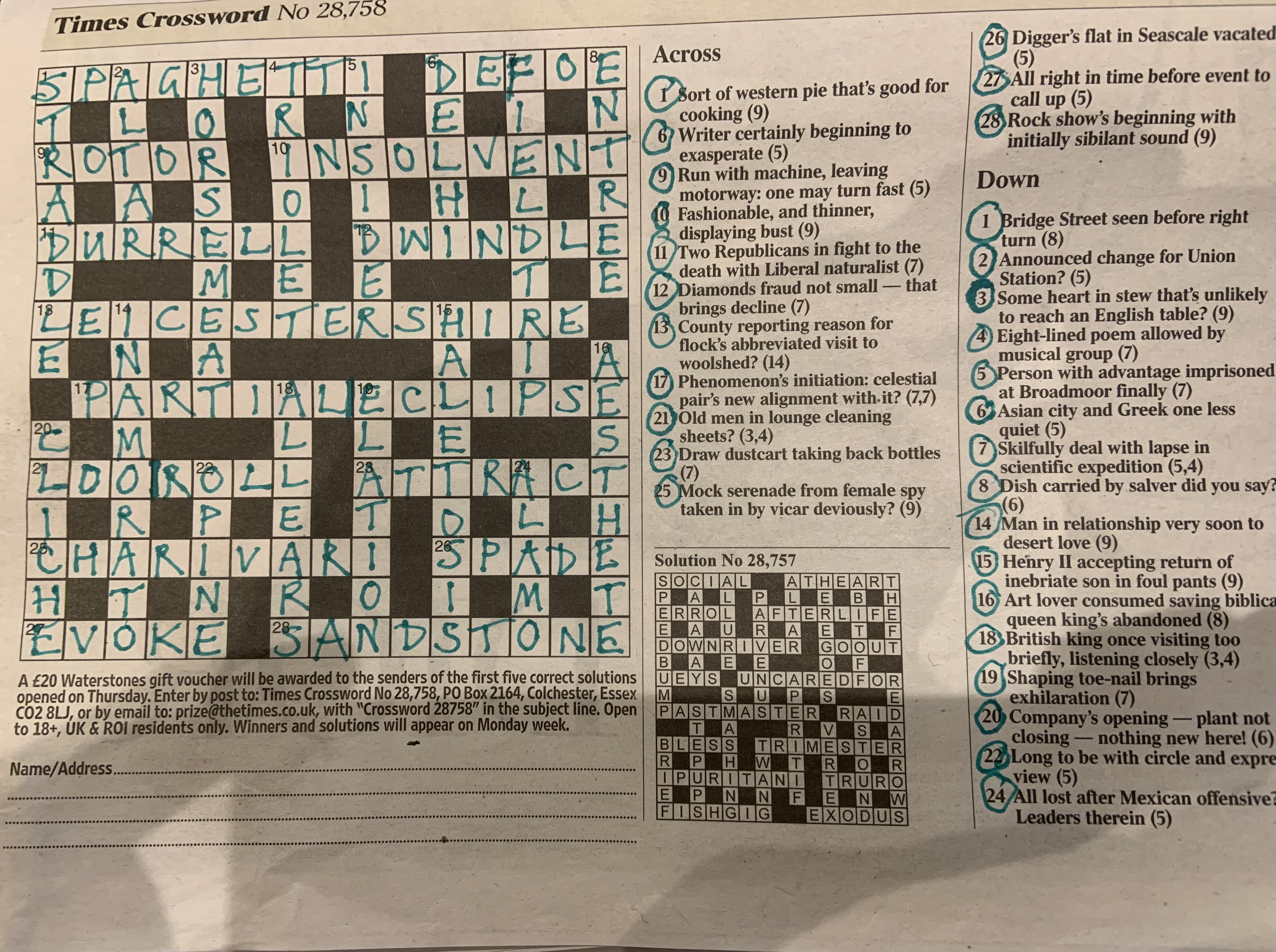
Swiftly done
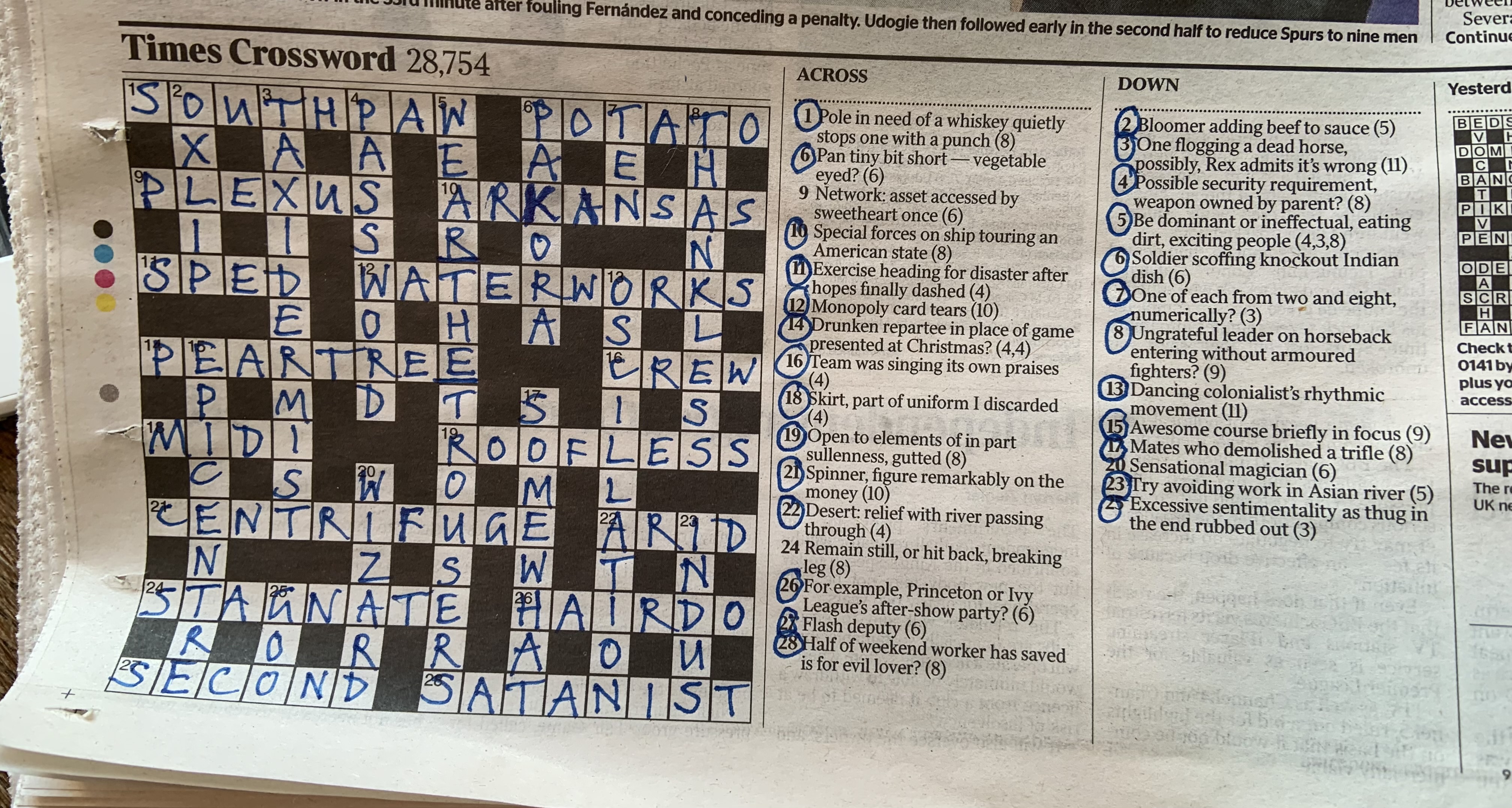
Werewolf, not behemoth …
Lollop …
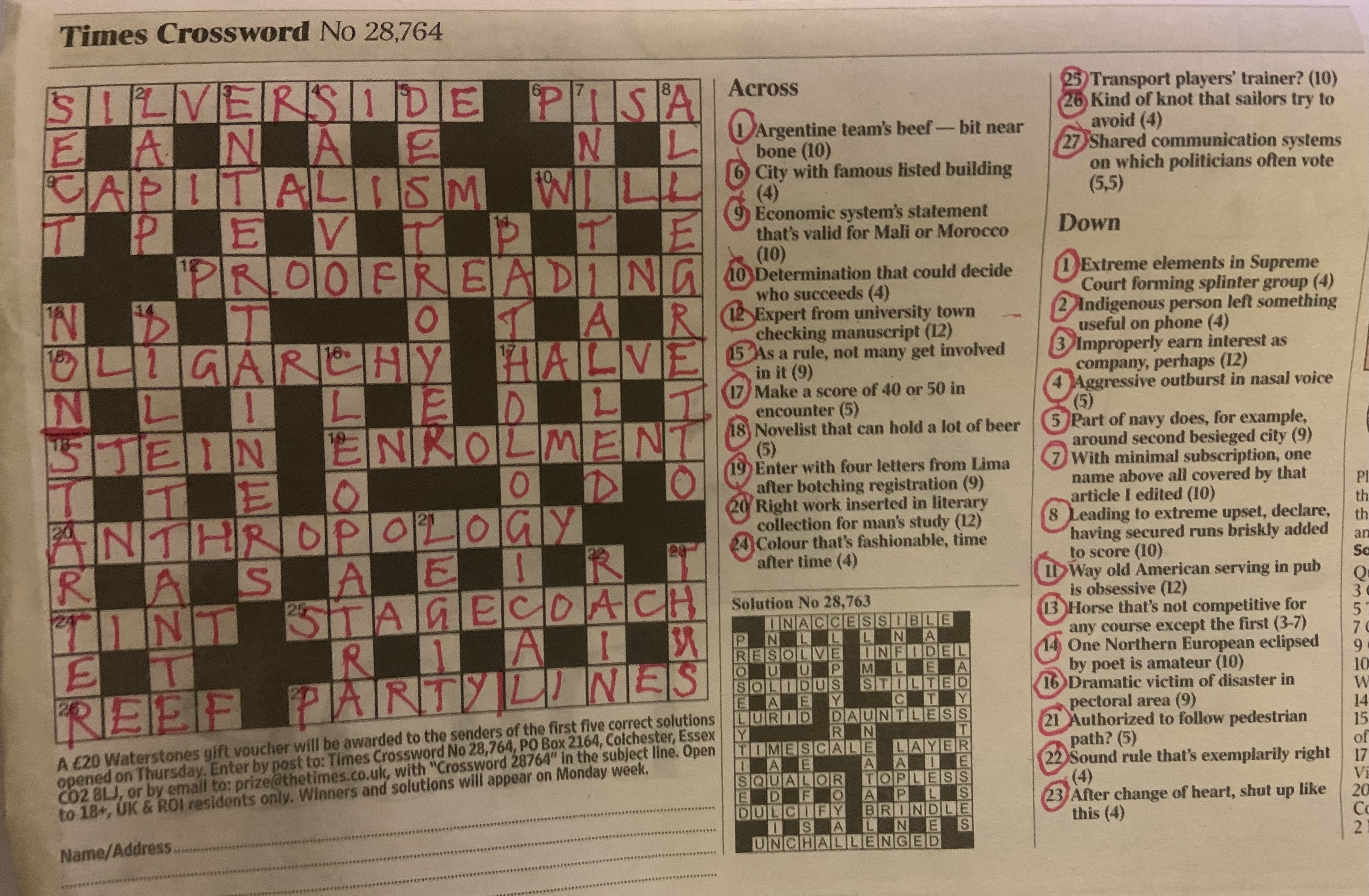
At the General Store again

Iphigenie auf Tauris, I, iii (Goethe)
So haben Tantals Enkel Fluch auf Fluch
Mit vollen, wilden Händen ausgesät.
Und, gleich dem Unkraut, wüste Häupter schüttelnd
Und tausendfält’gen Samen um sich streuend,
Den Kindeskindern nahverwandte Mörder
Zur ew’gen Wechselwut erzeugt!
Solved at the GS

Dafydd Y Garreg Wen
Rather slow …
Completed by 8.30 a.m. at the GS

Fig I, the Entertainer, is applauded by Fig II, the Impostor. “There can be only one”
Widmung: Schumann (Gedicht von Fr.Rückert)

Du bist die Ruh’ (Schubert: Gedicht von Fr.Rückert)

Figgles Flies West

Is it a dog? Is it a frog? It’s Superfig, in training for the Paris Olympics in the Synchronised Frog Impersonation event.
Brassens: Philistins
Philistins, épiciers
Tandis que vous caressiez
Vos femmes
En songeant, aux petits
Que vos grossiers appétits
Engendrent
Vous pensiez, “Ils seront
Menton rasé, ventre rond
Notaires”
Mais pour bien vous punir
Un jour vous voyez venir
Sur terre
Des enfants non voulus
Qui deviennent chevelus
Poètes
Vous pensiez, “Ils seront
Menton rasé, ventre rond
Notaires”
Mais pour bien vous punir
Un jour vous voyez venir
Sur terre
Des enfants non voulus
Qui deviennent chevelus
Poètes
Cantata BWV 147
Text of J.S. Bach’s Vocal Work
— Read on www.bach-cantatas.com/Texts/BWV147-Eng3.htm
Croissant à la Figue

Daily Diving Practice
The Ceremony of the Cleansing of the Thumb


Figgles Flies West
Figgles in Wonderland



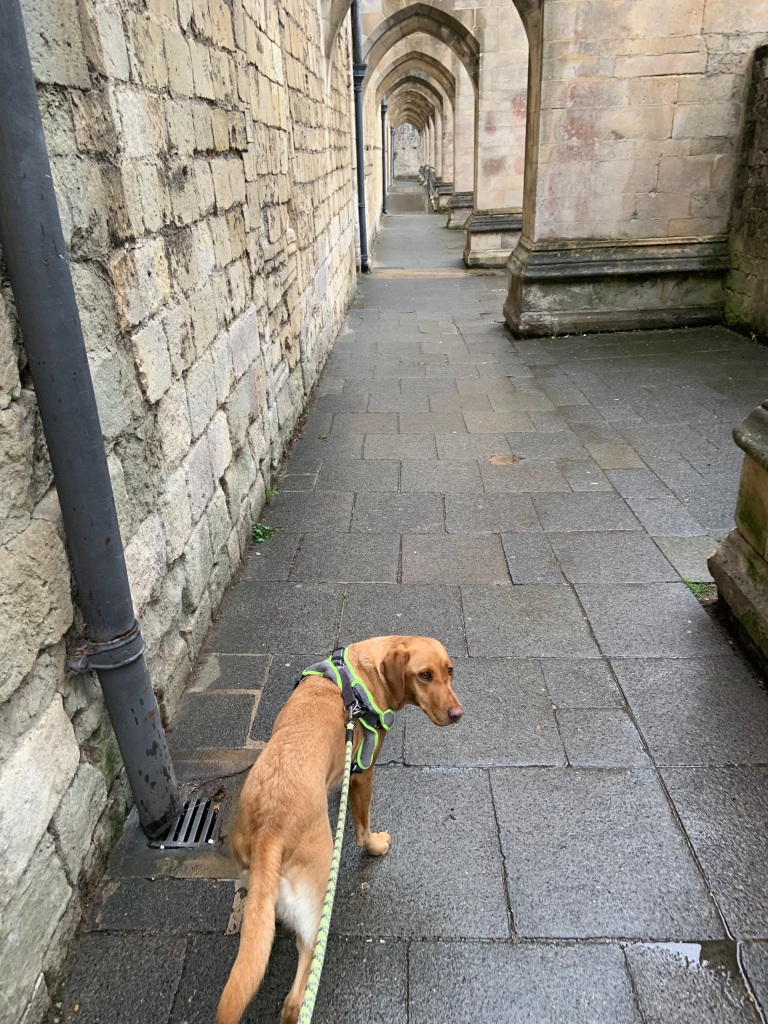




In the rain at the GS

Ego te absolvo
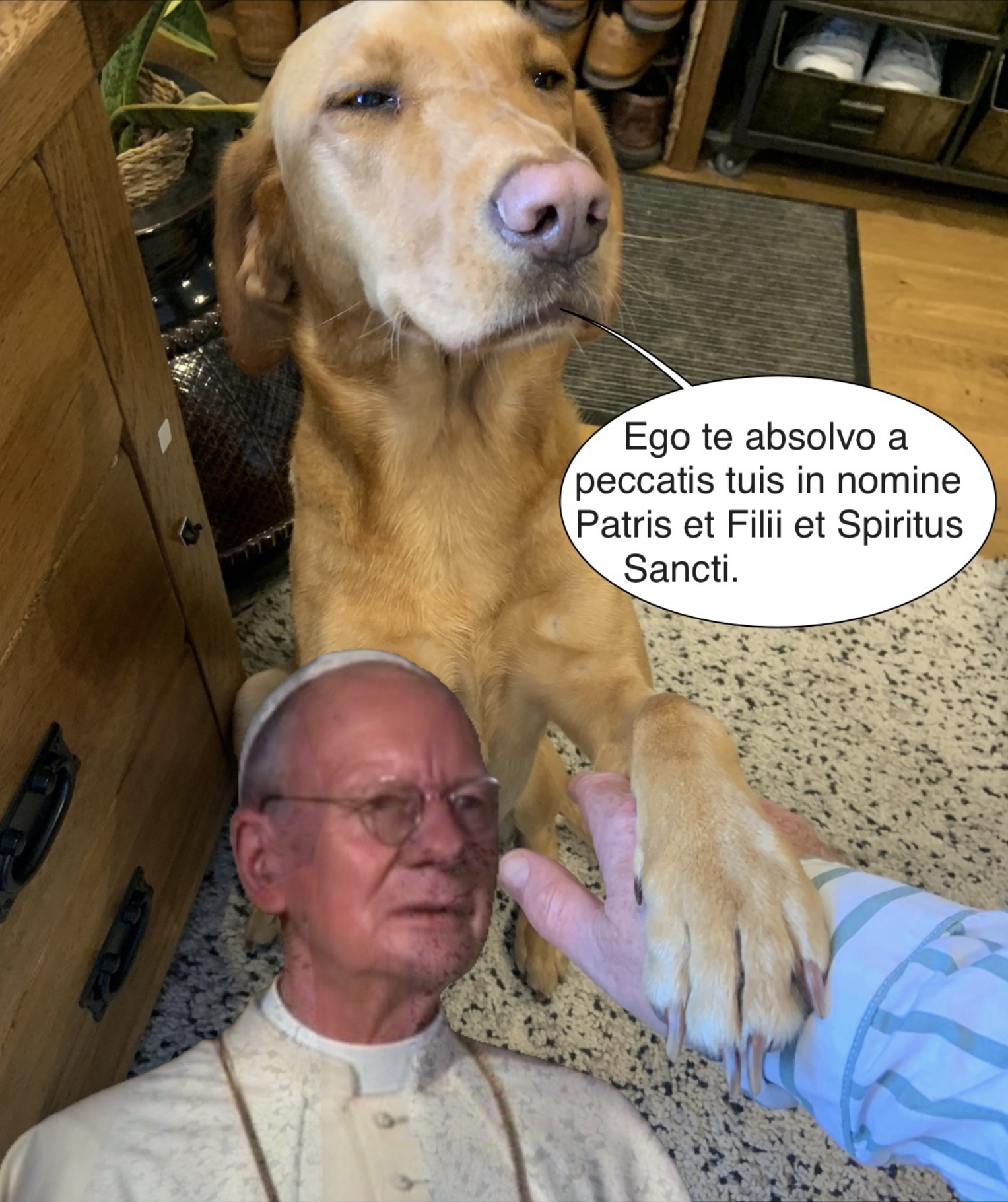
In the rain …

La vie de Francis Cabrel en chansons
Einstein’s Parable of Quantum Insanity – Scientific American
Scientific American is the essential guide to the most awe-inspiring advances in science and technology, explaining how they change our understanding of the world and shape our lives.
— Read on www.scientificamerican.com/article/einstein-s-parable-of-quantum-insanity/
Cracked at the GS
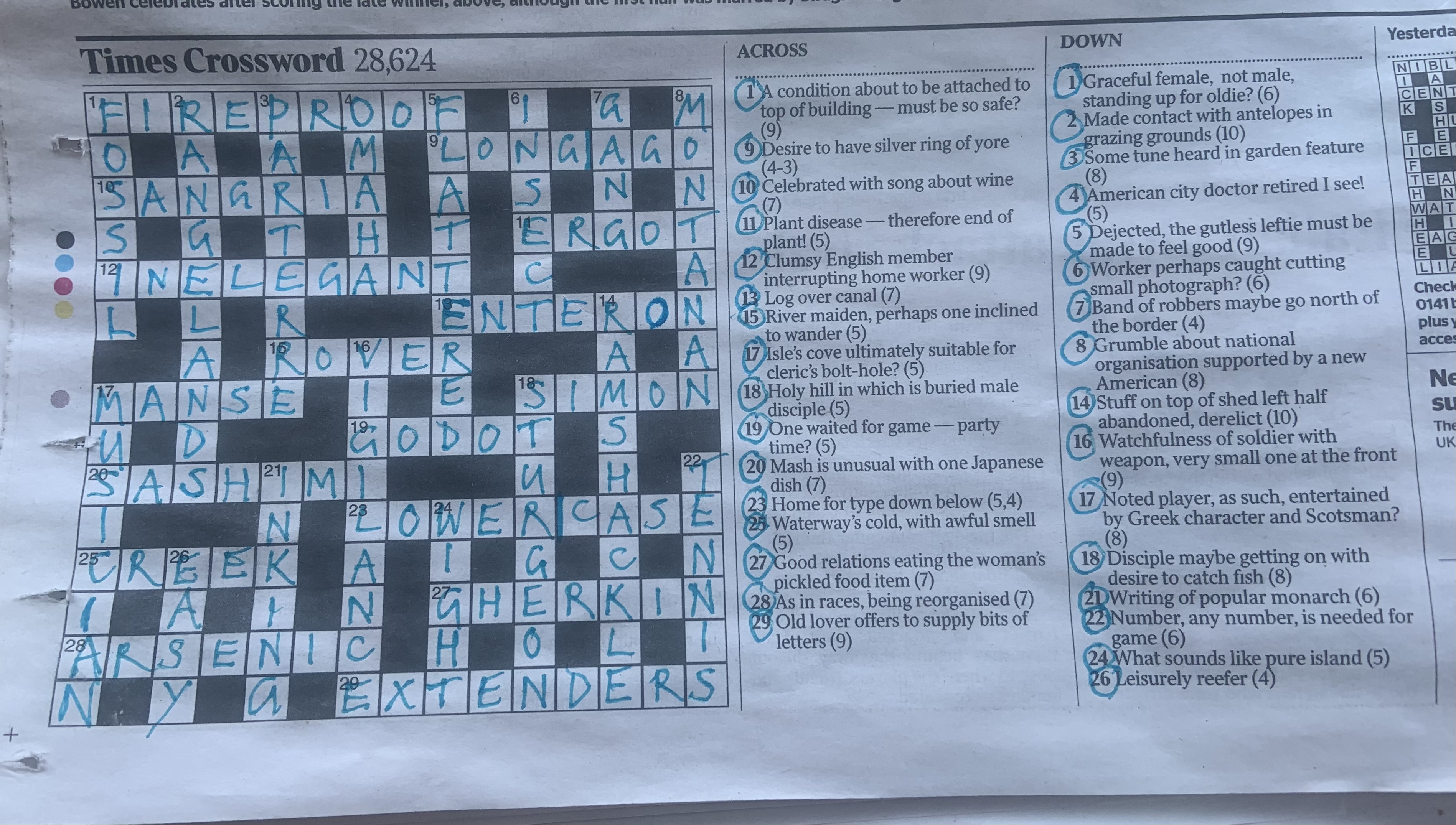
Beziehung USA-China
Figgy, nom adorable

George Steiner
George Steiner speaks of the importance of memory and warns of the destructive nature of ideology. Given the folly of “postmodernity” and the seduction of so many by ideas untested in reality, this is all the more prophetically poignant.
Wisdom in Così fan tutte
«Nel mare solca e nell’arena semina/ e il vago vento spera in rete accogliere/ chi fonda sue speranze in cor di femina».
Smoothly done!
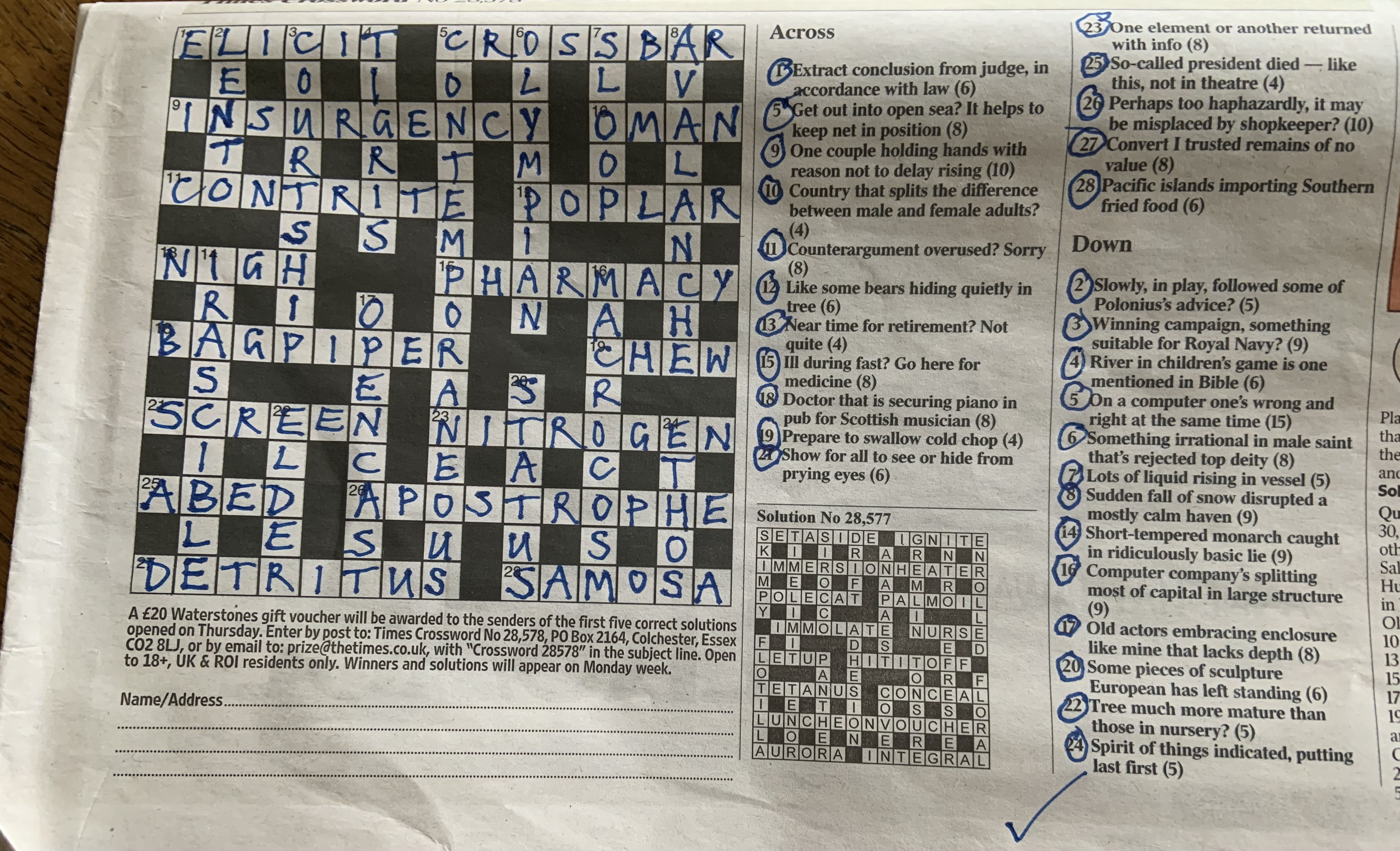
In Wareham

A pleasing challenge

Briskly done

Godparent took ages! Why?

In a peaceful setting in Dorset
 Lyndon @ Adonis Blue
You must be logged in to post a comment.